
With great power comes great obscurity.
In an age of historic inequality and democratic erosion, the wealthy and powerful present the public with highly curated images of themselves while arduously concealing their actual machinations. Their weddings and watches and podcast interviews are readily available to us; their working of the levers of power is not. Downstream of these elites, millions simply sense that something is amiss, wonder how decisions are made, and grow alienated from the system. Life feels hard, but it’s even harder to see upstream through the fog and understand why.
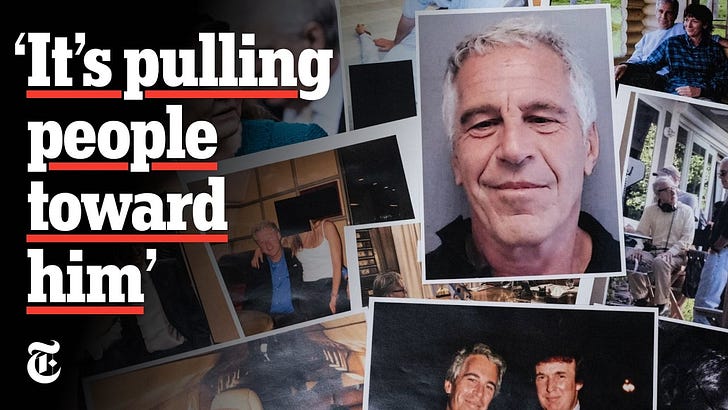
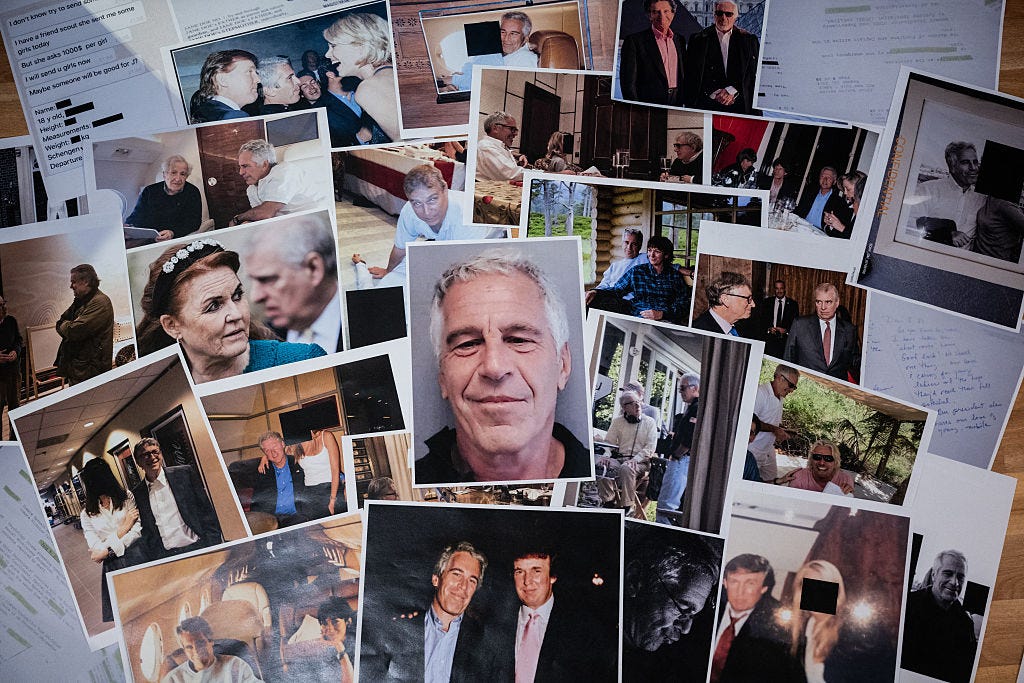
This is why the release of millions of documents related to Jeffrey Epstein has become such a global moment. Rarely do we gain access to such an unfiltered view into the private workings of a powerful elite.
But access does not equal understanding.
A data dump is not an explanation. A scandal is not a theory. Meaning does not make itself. And as reporters, influencers, and the endlessly scrolling public sift through the documents, there has been more of the heat of gotcha revelation than the light of genuine understanding.
My new series in The Ink, the Epstein Class, aims to add more light.
This is not just about the naming of names. It’s about making sense of an operating system — one that enabled gross barbarism against so many women and girls, one that influences our lives in so many ways still.
Our goal is not a posthumous trial of one man. It’s explaining a structure — a modern power elite still very much with us — and how it operates here and now. In our first chapter, next week, we will ask what a networked age did to bravery. We will also examine the hidden link between the private transgressions of many powerful men and their policy views. We will see how philanthropy is used as a reputational laundromat. And more.
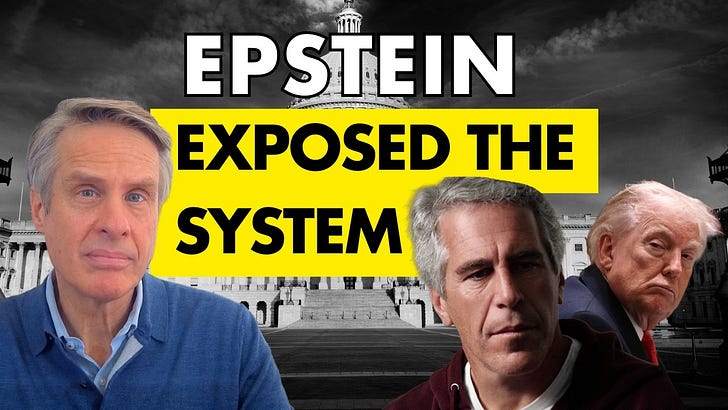
This project began with my New York Times essay last fall. It gained steam after my recent appearance on “The Ezra Klein Show,” and the flood of responses that followed from all around the world. I have learned to trust that when people hunger to understand something, they are often pointing you in the right way. (And credit to Congressman Ro Khanna for coining the once very, now less controversial term “Epstein Class.”)
Recently, the Hollywood writer-director Judd Apatow said I was wasting my time. In an Instagram reply to me, he wrote:
What is troubling is we are spending all of this time dissecting an old network. The one happening right now between world powers, elites, technocrats, Middle Eastern countries, oil companies, white supremacists and Christian Nationalists and others is in full effect right now.
But, with all due respect to Judd, this is not “an old network.” The same names, institutions, incentives, and relationship architectures remain in place. The party in power may change; the network persists.
To understand the present, we must understand the machinery that produced it.
Our Epstein Class series is here to help.
And now: three small requests.
If you want to read along, sign up to get The Ink delivered to your inbox. And if you believe in this kind of independent journalism, support us as a subscriber today.
And tell us what you want us to dig into by leaving us a comment.
And spread the word by inviting a few other people.
Click on the links below for some background reading and viewing: