

Whom cities are for
Affordability is the new political buzzword. What happens to a place, our guest essayist asks, when it squeezes out its own middle?
In an unequal America, is affordability a “fake word by Democrats,” as Donald Trump puts it, or is it the key to winning the future, the cornerstone of New York City Mayor Zohran Mamdani’s appeal and approach to reanimating everything from housing policy to the arts?
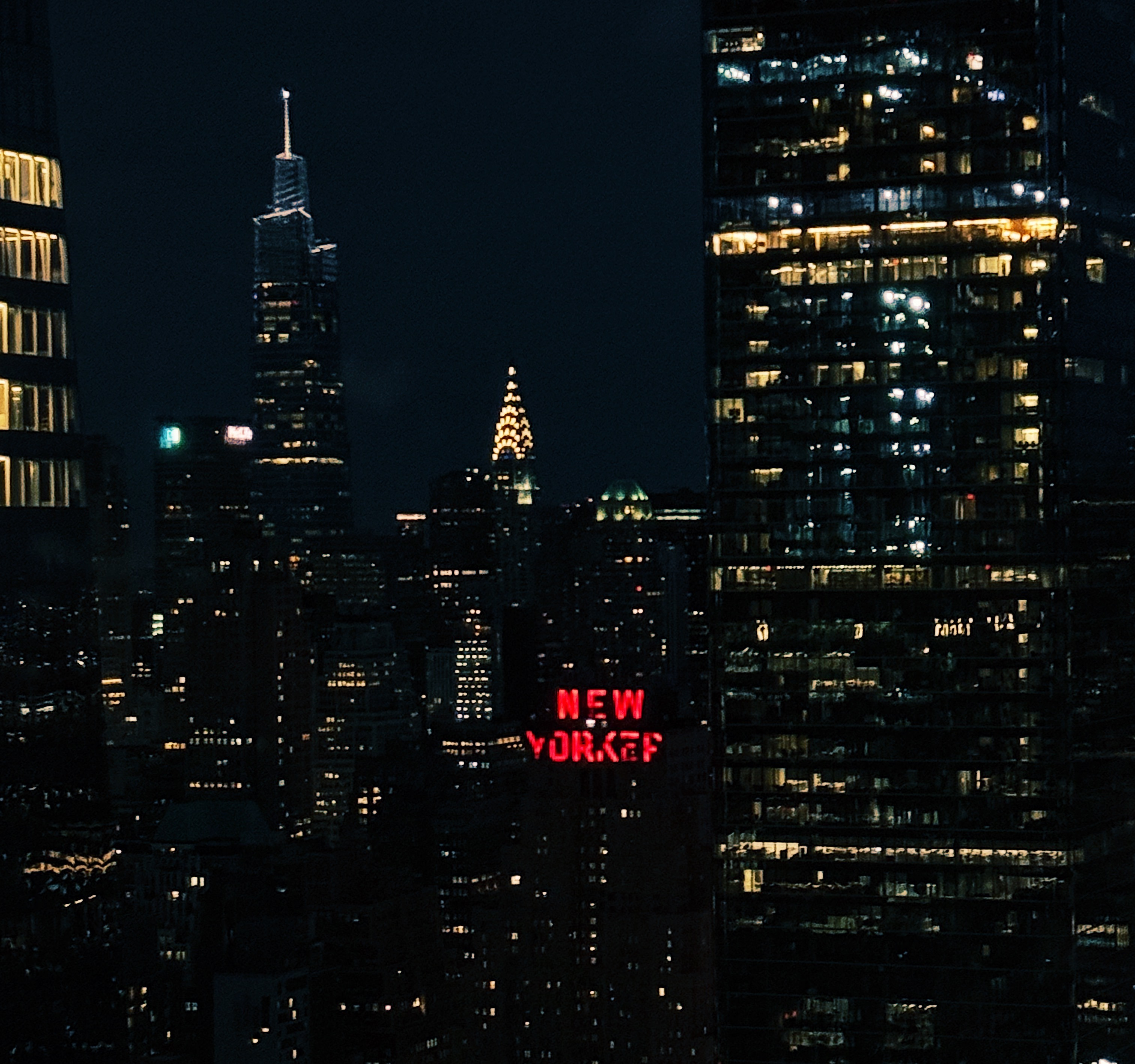
Nowhere is inequality — and the growing pressure of economic precarity on middle-class Americans — more visible than in New York City life. As the writer Cheryl Douglass tells us in the brief and heartbreaking portrait of the city we bring you below, it’s become a place where, for that vast middle who aspire, even joy is a thing to be rationed.
Is another kind of American city possible?
Thank you so much to our supporting subscribers for making this newsletter possible. If you haven’t yet joined our community, why not become part of this and help us build the future of independent media today?
We bring you this post courtesy of Cheryl Douglass. Subscribe to read the rest of her work on cryptocurrency, code, and city life.
By Cheryl Douglass
The secret of New York is that it only really works at the extremes.
Not that the rich or the poor have it easy, but the middle is where the city quietly grinds you down. The rich float above the city, insulated by square footage and silence, moving through private doors. The poor learn how to make the city bend. They split rooms and meals and jump the subway turnstiles. They understand that the city is survivable if you do not ask it to be comfortable. It is the middle that gets bruised. The ones who try to live reasonably here. the ones who want both dignity and ease. New York resents moderation. It taxes it.
One could say this about America at large but this is really magnified in NYC.
If you’re poor, the city teaches you improv. You learn which places let you linger, which bars pour heavy. You stop asking whether you want roommates and start asking how many. People overlap because space demands it. Resources circulate because they have to. Plans are loose. Money moves through hands quickly. You live in motion, and motion keeps you light.
If you’re very rich, the city becomes a service. Someone else handles the friction. time stretches. The noise dulls. You pay to avoid eye contact. The city feels smaller, more obedient. You experience New York as a series of well-lit interiors.
You’re doing drugs because you’re working a series of part-time jobs or because you’re a Wall Street demon. The substances may share a name, but the intention does not. One is trying to stay awake long enough to matter. The other is trying to disappear. Both are negotiating with exhaustion. New York is generous with illusion at both ends.
The best food is $5 or $500. A dumpling cart that understands you. A slice eaten at the end of a long night. Or a room where the lighting has been rehearsed and a staff member picks up your napkin before you realize you dropped it. The middle meals are forgettable. The ones that cost $43 and still leave you hungry. The city does not reward moderation. Either you eat to survive or you eat to signal that survival is no longer the concern.
Both the rich and the poor understand the same truth from opposite directions. That New York is not a place to be balanced. It is a place to be extreme. You either learn how to make very little feel like enough, or you pay obscene amounts to make sure nothing ever feels like too much.
But if you are neither, the city demands constant proof that you deserve the space you take up. Proof that you can keep up. You pay too much for rooms that do not quite hold you. You ration joy. You hesitate before saying yes. You feel the clock louder than the music. This is where people thin out. Rent increases, nights cost more than they ever really give back.
The city arranges comparison so precisely that comfort never quite settles. Wealth raises the ceiling, but the ceiling never stops moving.
New York is not cruel. It is precise. It rewards surrender at the bottom and insulation at the top. Everything else is endurance. And endurance, over time, asks for more than most people mean to give.
The Ink is powered by readers like you. Help us stand up for independent media that isn’t afraid to tell the truth by joining us today.
Your support is how we keep the lights on, pay our writers and editors a fair wage, and build the new media we all deserve. When you subscribe, you help us reach more people. Join us today, or if you are already a member, give a gift or group subscription.


A sad, but awesome piece of writing. It makes one pine for “ Bush to New York … drop dead!”
Thanks for this prescient essay. The author's compassion for those who play by the rules is both accurate and disturbing. Makes you ask many questions about morality and living by the rules. Yes!!! For some, such questions are a privilege not available. For others, such questions are intentionally avoided or dissociated with self-deception or popular self-medication in its various practices and substances.