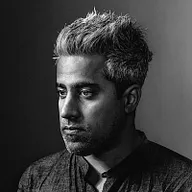


After talking to legendary reporter Seymour Hersh this past week, I’ve been thinking about the reporting work he’s done over the decades, and the precedent he’s set for today’s investigative journalists, like Carol Leonnig and Aaron C. Davis, authors of our January Ink Book Club pick, Injustice: How Politics and Fear Vanquished America’s Justice Department.
Hersh has worked tirelessly to piece together complex stories that elites had a vested interest in keeping from the public — stories that made a real impact. He had no patience for spin, relying less on authorities at the top than on lower-level contacts who prioritized their commitment to democracy, telling the truth rather than being mouthpieces for the official line.
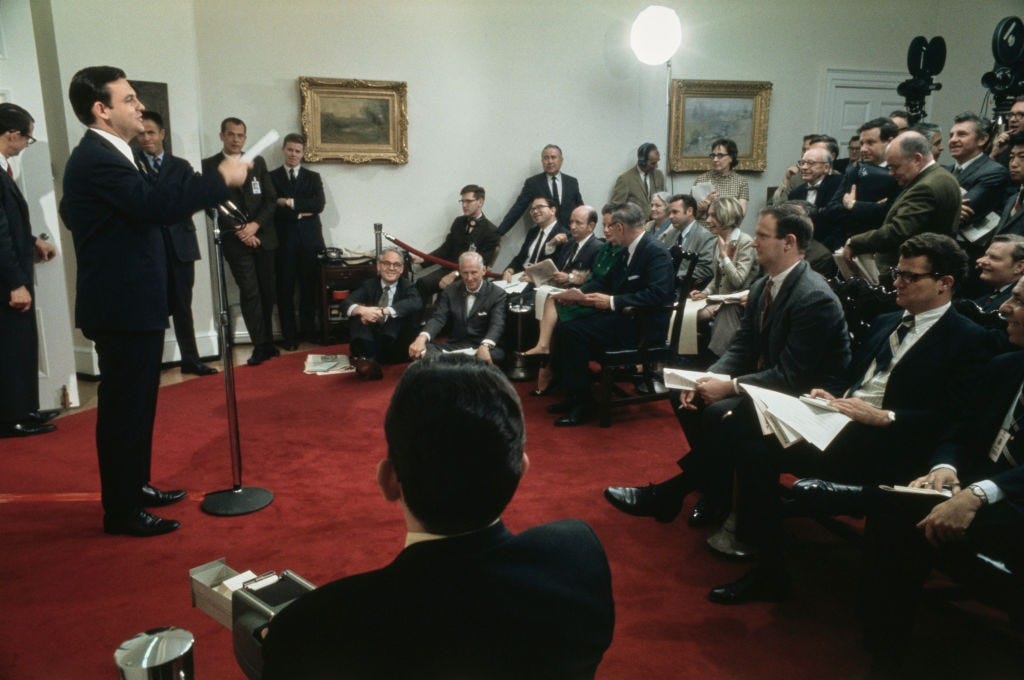
Hersh was so successful at uncovering wrongdoing by the Nixon Administration for The New York Times that Abe Rosenthal, then the paper’s managing editor, assigned him to cover the White House, an appointment he resisted out of fear his role would consist of parroting the party line. On his first day there, he was appalled to find his fellow reporters yelling at White House Press Secretary Ron Ziegler to call on them, hands furiously waving. “Didn’t they realize his role exists to conduct propaganda?” he recalled thinking. “Did they think he was going to be straight with them?” He quit that assignment the next day, though he remained at the Times until 1979, working as an ace investigative reporter.

Pulitzer Prize-winning reporters Leonnig and Davis are cut from similar cloth. They are journalists in a kind of prosecutorial mode–in their daily reporting and then in their book–fastidiously investigating how and why the U.S. Department of Justice has been weakened, if not brought to its knees. Brick by brick, they’ve constructed a portrait of a badly wounded institution under relentless attack from those who should be protecting and preserving it, and like Hersh, relying on sources from all ranks. How do they find their sources? How do they identify their stories’ through lines? Have they also found that sources in the upper echelons of power are dead ends?
JBM, one of our Ink Book Club members, refers to what’s going on in official briefings and other public forums as “gaslight nonstop.” The gloves are off now —there are no public-facing Trump officials willing to tell us the truth. Or maybe they have come to believe their own lies.
In any case, journalists charged with covering Washington now face a new set of questions: What does balance look like when one side is outright lying? Should reporting prioritize exposing authoritarianism for what it is over “objectivity”?
We’ll talk more about that during our final discussion of Injustice, live on Substack with authors Carol Leonnig and Aaron C. Davis next Wednesday, January 28, at 12:30 p.m. Eastern.

The Ink Book Club is open to all paid subscribers to The Ink. If you haven’t yet become part of our community, join today. And if you’re already a member, consider giving a gift or group subscription.